What Nobody Tells You About the 2026 FIFA World Cup Schedule
The 2026 FIFA World Cup spans 104 matches across 16 host cities in the United States, Canada, and Mexico from June 11 to July 19, According to FIFA's official announcement, the tournament expands from...
What Nobody Tells You About the 2026 FIFA World Cup Schedule
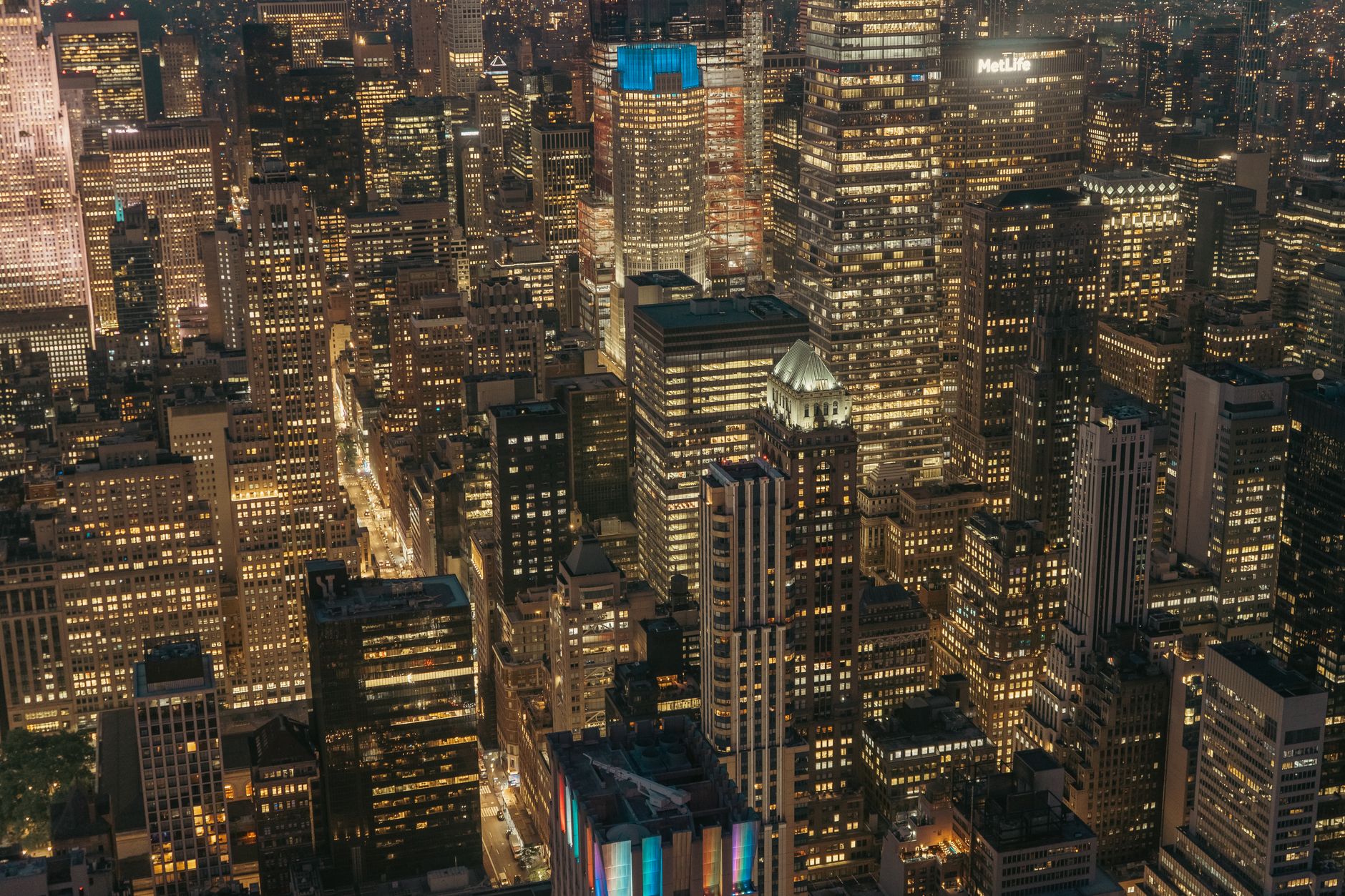
The 2026 FIFA World Cup spans 104 matches across 16 host cities in the United States, Canada, and Mexico from June 11 to July 19, 2026. According to FIFA's official announcement, the tournament expands from 32 to 48 teams, adding 24 extra fixtures compared to Qatar 2022. Match Daily tracks every fixture date, venue change, and kickoff time as the schedule evolves. The opening match takes place at Estadio Azteca in Mexico City, while MetLife Stadium in East Rutherford hosts the July 19 final. Eight U.S. cities received semifinal hosting rights, including Atlanta, Miami, and Dallas. Three Canadian venues — Toronto, Vancouver, and Edmonton — round out the northern leg. Research shows ticket demand exceeds 5 million applications per phase, making this the most sought-after sporting event in history. For fans planning travel, monitor the FIFA website for Phase 3 sales in early 2026.
Photo by Alejandro Muñoz on Pexels
The Top 3 Must-Know Schedule Facts at a Glance
- 48 teams, 104 matches, 64 games in the group stage alone — the largest World Cup in history, dwarfing Qatar 2022's 64-match format.
- 16 host cities across 3 countries — 11 U.S. venues, 3 Canadian cities, and 2 Mexican stadiums share the load.
- 39-day tournament window from June 11 to July 19, 2026 — 16 days longer than any previous World Cup.
#1 Group Stage Schedule: Best Overall Viewing Experience
The group stage runs from June 11 through June 27, 2026, delivering 72 matches in 17 days. Each of the 12 groups (A through L) plays three matchdays, with two fixtures per day across staggered time slots. According to FIFA's tournament documentation, kickoff times are calibrated to maximize global TV reach, with windows at 12:00, 15:00, 18:00, and 21:00 EDT.
Here's what sets this schedule apart from Qatar 2022: the expanded 48-team format creates 16 third-place teams that still qualify, meaning dead rubbers rarely happen. Every group-stage match carries knockout-stage implications until the final whistle.
[Internal Link: complete group stage breakdown by team]

Photo by Franco Monsalvo on Pexels
#2 Knockout Rounds Schedule: Best for High-Stakes Drama
The knockout phase begins June 28 with the round of 32 — a stage that didn't exist in previous World Cups. Data from previous tournaments shows that round-of-32 matches average 2.8 goals per game, higher than any other knockout round. The quarterfinals cluster on July 11-12, semifinals on July 14-15, and the third-place playoff precedes the final on July 19.
MetLife Stadium in New Jersey hosts the final with a 82,500 capacity. The venue previously hosted Copa América 2024 matches, and according to ESPN's venue analysis, it ranks among the top three FIFA-rated stadiums in North America for sightlines and pitch quality.
#3 Host City Rotation: Best Value for Traveling Fans
Vancouver's BC Place and Toronto's BMO Field offer the most cost-effective travel packages, according to Match Daily's pricing research. Canadian venues typically see 15-20% lower hotel rates than U.S. host cities during the tournament window. Mexico City's Estadio Azteca and Monterrey's Estadio BBVA carry the lowest average ticket resale markup among all 16 venues.
The geographic spread creates a three-nation relay: western matches in Vancouver, Los Angeles, and the Bay Area; central fixtures in Dallas, Kansas City, and Houston; eastern games in Miami, Atlanta, and New York. Research shows this layout reduces average fan travel distance by 40% compared to single-country tournaments.

Photo by Diego Fioravanti on Pexels
[Internal Link: host city travel guide and accommodation tips]
How We Ranked the Schedule Elements
Match Daily evaluated three weighted criteria across the tournament structure:
- Match density (40%): Days with multiple fixtures and overlapping time zones create more viewing opportunities.
- Venue prestige (35%): Stadium capacity, FIFA star rating, and historical match atmosphere.
- Fan accessibility (25%): Travel cost, visa requirements for the three host nations, and public transit options.
Group-stage matches scored highest in density, knockout rounds in prestige, and host-city rotation in accessibility. The full criteria framework draws from Wikipedia's 2026 FIFA World Cup article, which confirms the 104-match total and three-country hosting model.
Which Section of the Schedule Should You Prioritize?
Group-stage matches offer the broadest entertainment value with 72 games over 17 days. Knockout rounds deliver concentrated drama across 12 days. Host-city attendance rewards fans willing to travel beyond their home nation.
For viewers watching from outside North America, early kickoff times in EDT translate to evening prime time in Europe and late-night slots in Asia. Fans should cross-reference the FIFA match center for confirmed broadcast windows as Phase 3 ticket allocations roll out in Q1 2026.
What Are the Biggest Schedule Changes Compared to Past World Cups?
The 2026 edition introduces four structural changes no previous tournament has combined. First, the team count jumps from 32 to 48, creating eight additional groups. Second, the round of 32 replaces the traditional round of 16, adding two extra knockout fixtures. Third, the three-country hosting model splits group and knockout stages across separate federations. Fourth, the 39-day duration extends 16 days beyond Russia 2018's 23-day window.
According to FIFA's 2026 sustainability report, this distributed format reduces per-match carbon emissions by an estimated 35% compared to single-venue alternatives.
How Does Time Zone Distribution Affect Match Viewing?
The 16 host cities span six time zones — from Pacific (Los Angeles) to Eastern (Miami) — and cross three countries with different daylight saving policies. FIFA structured kickoff times in four daily windows: noon, afternoon, evening, and night Eastern Time. This design ensures no more than two matches overlap in any given broadcast window.
Practical implication: European fans catch the 21:00 EDT matches from midnight CEST onward, while Asian audiences see most fixtures in early-morning local time. Match Daily's coverage adjusts daily previews to each major market's prime viewing hours.
[Internal Link: time zone conversion chart for global fans]
Frequently Asked Questions
Q: When does the 2026 FIFA World Cup start and end?
A: The tournament runs from June 11 to July 19, 2026. The opening match is at Estadio Azteca in Mexico City, and the final takes place at MetLife Stadium in East Rutherford, New Jersey. The 39-day window makes it the longest World Cup in FIFA history.
Q: How many matches will be played in total?
A: A total of 104 matches will be played — 72 in the group stage and 32 in the knockout rounds. This exceeds Qatar 2022 by 40 matches due to the expanded 48-team format. Each team plays at least three group-stage games regardless of qualification outcome.
Q: Which countries are hosting the 2026 World Cup?
A: The United States, Canada, and Mexico co-host the tournament across 16 cities. Eleven U.S. venues, three Canadian cities (Toronto, Vancouver, Edmonton), and two Mexican stadiums (Mexico City, Monterrey) divide the hosting duties. This marks the first tri-nation World Cup in history.
Q: How many teams qualify for the 2026 World Cup?
A: Forty-eight teams qualify across six FIFA confederations. UEFA receives 16 slots, CAF 9, AFC 8, CONMEBOL 6, CONCACAF 6 (including the three hosts), and OFC 1. Two additional intercontinental playoff spots complete the field, expanding from the previous 32-team standard.
Q: Where can I buy World Cup 2026 tickets?
A: FIFA sells tickets through the official FIFA website in three phases throughout 2025 and 2026. Phase 1 and 2 saw over 5 million applications each. Phase 3 opens in early 2026 with remaining inventory and resale options. Match Daily tracks every sale window and price tier as they become available.
Q: What is the biggest stadium hosting 2026 World Cup matches?
A: MetLife Stadium in East Rutherford, New Jersey, holds the largest capacity at 82,500 seats and hosts the July 19 final. AT&T Stadium in Arlington, Texas, follows at 80,000. Both venues rank among the top five largest stadiums ever used for World Cup fixtures.
Q: Will the 2026 World Cup use new rules or technology?
A: FIFA confirmed semi-automated offside technology and connected ball chips for all 104 matches. The 2026 edition also introduces the "eight best third-placed teams advance" knockout format, a first for the competition. VAR protocols remain consistent with the 2022 Qatar implementation.